Chat With a Plumber: How Plumbing and HVAC Websites Answer Visitors 24/7
Discover how 24/7 live chat and AI-powered assistants transform plumbing and HVAC websites, increasing lead capture and customer satisfaction all day, every day.
If you’ve hit a plumbing or HVAC website and seen “Chat with a plumber” blinking in the corner, you’ve seen the promise—instant answers, no waiting. The reality is more tangled: sometimes it’s a live rep, sometimes AI, sometimes it’s just a fancier contact form. When you’re running a service business, the stakes are clear. People reach out for help now or they move on. But the truth behind 24/7 website chat goes deeper than “is anyone there?”
Let’s clear up a few common misunderstandings around what it actually means to offer a true, always-on “chat with a plumber” experience online—and what matters most when your reputation and revenue depend on it.
The Biggest Misconceptions About Plumbing Website Chat
Misconception: “Chat with a plumber” just means a simple text widget
For most visitors, “chat with a plumber” means instant, personalized help. But unless you’re running a call center day and night, old-school chat widgets tend to be little more than a digital note left in the dark. The best AI tools now greet visitors by voice or text. They answer with information pulled straight from your service pages and even understand natural, everyday language—no more robotic scripts.
What should that look like on your website? Imagine a widget that can ask, “Do you need urgent sump pump help or want to schedule a quote?”—in a way that feels, well, human. It should be available after hours. It should support both typing and talking, and never lose a lead just because nobody was at their desk.
Misconception: Response time isn’t a big deal—people can wait
Speed isn’t a nice-to-have in plumbing and HVAC; it’s everything. If someone is messaging at 11:17 PM about a burst pipe, that’s not a casual inquiry—it’s a live problem looking for the first responsive business. Even outside emergencies, a homeowner planning an install or trying to book annual maintenance wants to know (now) if you’re the right provider. Every minute matters.
Stalling—whether by forcing visitors to fill out bloated forms or showing “someone will reply in 24 hours”—torpedoes your conversion rate. The best chat tools answer quickly. They collect the basics (name, phone, service needed) and send all the info straight to whoever handles follow-ups, ideally with instant email notice so you can swoop in fast.
If you’re curious about the real impact of missed chats on your bottom line, there’s a deep dive on why missing a web chat costs service businesses real money.
Misconception: Emergency chats are the only requests that matter online
Not every “chat with a plumber” starts with a burst pipe. Sure, plenty of chats are red-alert (“the basement is flooding”), but many are planning ahead—asking about pricing, annual maintenance, or scheduling a future install. Your website needs to handle both. Ideally, it should adapt its questions and follow-up based on the visitor’s urgency.
- Urgent: Shortcuts to fastest help, collects emergency address and callback number.
- Planning: Shares answers on services, asks when they would like a callback, and captures email for quotes.
A chat solution that treats every inquiry the same (or worse, only leans into emergencies) loses the chance to win comfort-driven, higher-margin jobs.
Misconception: AI chat means giving up on personalized or branded responses
There’s a real fear that AI chat means generic, soulless replies—but AI that’s trained on your site’s actual content can answer like your team would, not like a robot. It can learn your tone, stick to your pricing approach, and avoid referencing any services you don’t offer.
Modern chat essentials to demand:
- Gives accurate, locally grounded answers—based only on your site
- Names only services you offer, and never mentions rivals
- Connects answers back to your web pages, categories, and terminology
- Sends recaps you can read in seconds, with suggested next steps to follow up
The result: visitors get quick, confident answers. You don’t risk missed details or leaks to competitors.
Features That Actually Matter (And Most People Miss)
Misconception: Text chat alone captures every qualified lead you want
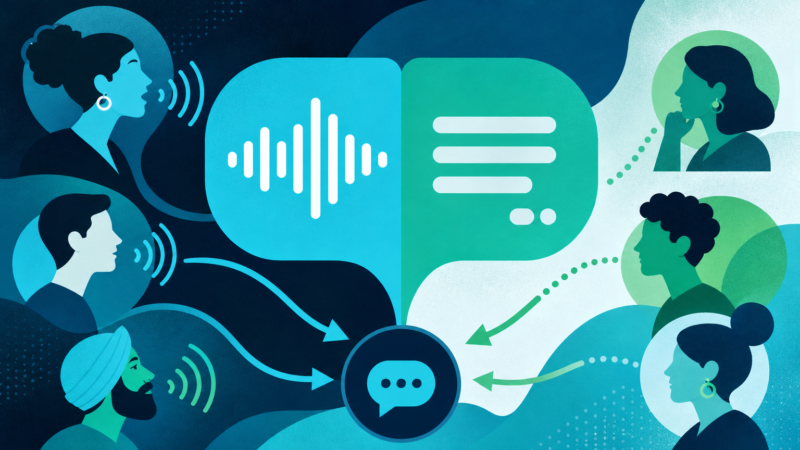
Text chat is effective, but not everyone prefers typing, especially if English isn’t their main language. Real-world website visitors increasingly expect to be able to speak instead of type. Whether for speed, accessibility, or just out of habit, voice-powered chat lets a visitor say, “My air isn’t turning on” or “I need a plumber tonight” and get an instant, spoken answer without touching a keyboard.
Consider too: for businesses in cities like Miami, Houston, or LA, language barriers can mean missed calls and lost jobs. Chat that handles more than 50 languages, then reliably surfaces the recap in English for the business, fills that gap. Your site isn’t just a contact sheet; it’s a dynamic receptionist, accessible to more of your community.
Misconception: Lead capture ends at the inbox—sales teams can organize follow-up later
Half-captured leads get cold quickly. When a plumber’s site forwards a chat to the inbox but doesn’t organize the data, sales chase their tails. The tools at the top today do more: they bundle the whole interaction into a tidy summary—visitor intent, contact details, conversation recap, and the full chat transcript. Organized follow-up is as simple as clicking a recap email. If the tool connects to your CRM, the lead can appear there, clean and tagged, right as the chat ends.
This is where native CRM integration matters. You shouldn’t have to connect third-party tools, copy-paste data, or worry about missing a hot lead just because someone filled out a chat at 2 AM. For plumbing, HVAC, and allied services, a tool worth its salt moves leads directly into your workflow with zero manual touch.
The same principle holds for other hands-on local services, from pest control to auto repair shops.
FAQ
- What does “chat with a plumber” typically mean on a plumbing or HVAC website?
-
It means a visitor can connect instantly with an assistant—sometimes live, often AI-powered—who can answer questions in real time, guide them through services, or start intake for a repair or quote. The best tools do more than just collect a message; they provide actual, useful answers and never leave visitors hanging.
- How much does live chat improve lead conversion rates for home services websites?
-
Fast, reliable chat shows visitors that you’re responsive and ready for business, which translates directly to more booked jobs—especially for urgent needs. If your chat answers instantly, even after hours, you’ll capture leads competitors lose.
- Why is speed of response so critical for plumbing and HVAC leads?
-
Emergencies drive many of these chats: water leaks, broken AC, sudden loss of hot water. If a site takes too long to reply, the visitor almost always tries the next listing. Even for non-urgent jobs, quick follow-up builds trust and stops prospects from wandering off.
- What are common visitor intents when contacting a plumber online?
-
The main buckets are emergencies (“I need help now”), scheduling routine work (“Can you service my heater next week?”), pricing/questions, or researching future upgrades. The chat should be smart enough to spot the difference and handle each accordingly.
- What are the must-have features in a plumbing website chat tool?
-
Look for 24/7 availability, instant text and voice chat, lead qualification (not just copy-pasting every chat), organized recaps, multilingual support, and automatic follow-up—ideally via both email and CRM sync. Bonus points for tools that help keep your website content fresh, written in your brand’s voice.
SiteStaffr is an AI receptionist for WordPress sites: it answers your website visitors by voice and text around the clock, captures each lead, and emails you a recap. See how it works for plumbing and HVAC companies, then try it free for 30 days with no credit card. After the trial, the Free plan keeps AI text chat on your site for up to 50 conversations a month.