Live Chat for Dentists: Answering Patient Questions on Your Website After Hours
Discover how live chat for dentists can capture after-hours patient inquiries, prevent lost leads, and enhance your practice’s online experience. Learn key features and evaluation tips.
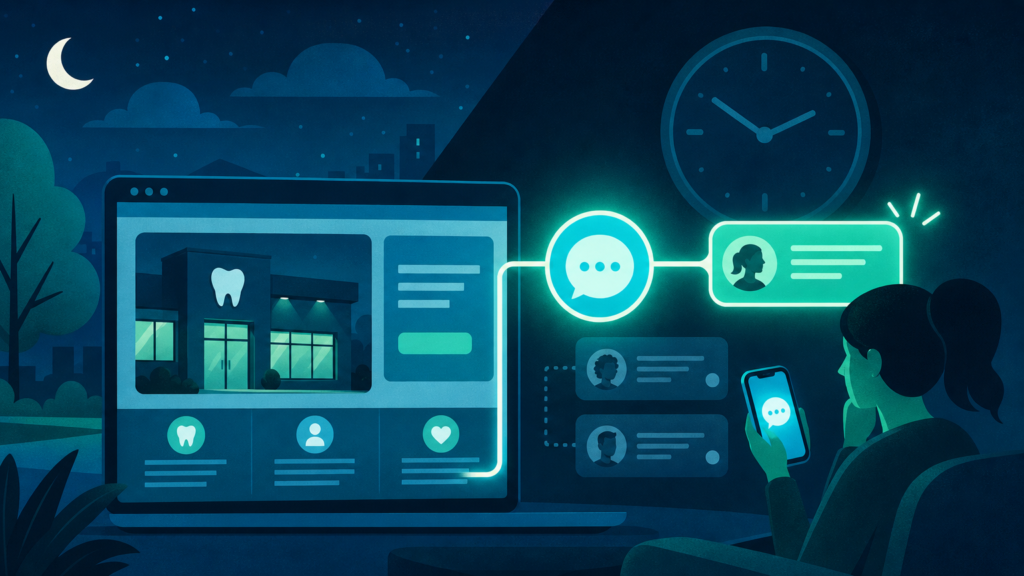
If you run a dental practice, there’s a simple question with real consequences: what happens when a patient visits your website after hours and needs answers right away? If there’s no one to greet them—no live chat, no helpful response—the odds of capturing that patient’s interest drop sharply. For practices that can’t afford to lose new bookings, having some way to answer patient questions on your site is no longer optional. Yet fewer than one in seven US dental clinics actually offer live chat to greet visitors at all, according to a September 2026 review of 522 dental websites (Suff Digital, 2026). The rest are silent when real people are looking for answers.
Let’s break down why that costs more than you might think, what makes the problem such a headache to fix, and how to actually measure if a live chat for dentists is working for your patient flow.
What Lost Conversations Actually Cost Dental Practices
Missed web chats don’t just sting—they’re expensive. Every inquiry that arrives after hours or at peak time is a chance for a first impression. If nobody greets that person, or a chat tool fails to capture even basic contact details, you risk losing them to the clinic that responds faster. It doesn’t matter if those visits happen at 7pm or 2am: patients expect an answer on their schedule, not yours.
In practical terms, this means:
- Lost revenue: That prospective patient looking to book a cleaning, consult, or emergency visit may never call back if there’s no immediate way to connect.
- Negative perception: The absence of a greeting or helpful answer creates the sense that your practice is unavailable—or even outdated—compared to the competition down the street.
- Weaker referral potential: Frustrated visitors rarely recommend a business that ignored them at their moment of need.
The review cited above found that most practice websites lack live chat at all. That’s a huge opportunity for any clinic willing to answer first. When you consider how missing a web chat costs service businesses real money, investing in after-hours coverage is no longer just “nice to have.”
Why the After-Hours Problem Persists
If live chat for new and existing patients is so valuable, why do most dental practices still operate without it? There are three main reasons:
- Staffing and cost: Live agents cost money, and very few practices can justify staffing a front desk around the clock just to manage web chat. The most common workaround—having existing team members respond on their phones after hours—burns staff out and invites errors.
- Implementation headaches: Many solutions require external subscriptions, technical setup, and ongoing maintenance. For dental practices already using specialized appointment and reminder software, wedging a new tool into the workflow isn’t trivial.
- Uneven chat quality: Some web chat tools fall flat, offering clunky, generic answers or demanding so much information up front that patients just bounce. There’s understandable concern about bots giving clinical advice or annoying patients with excessive pop-ups.
In short, clinics stick with web forms and phone numbers because—until very recently—anything else seemed risky, expensive, or both. The bar for a “good” chat solution is higher in dental than in ecommerce or retail; the nature of patient conversations is just more personal. For a sense of how AI can work for health offices, see this overview for medical practices—the principle is nearly identical for dental.
What Live Chat for Dentists Needs to Do Well
The right solution isn’t just about popping up a chatbox. For dental practices, a live chat tool should:
- Greet every visitor—regardless of the hour: Automatic, instant engagement (by text or voice) means you never miss a patient inquiry, whether it’s mid-afternoon or midnight.
- Answer the right questions—but never cross the clinical line: Bots or agents should address routine topics: office hours, payment options, location, appointment types, new patient procedures, insurance acceptance, and the documentation needed for first visits. Anything requiring a real diagnosis or clinical opinion is off-limits due to risk.
- Capture meaningful information early: Name, email, phone, and intent (what brings them in?) should be gathered before the conversation ends, so follow-up is actionable.
- Summarize and dispatch for fast follow-up: Every significant inquiry should end with an internal recap emailed to your team: who reached out, how to reach them, and what they need—all while the lead is still hot.
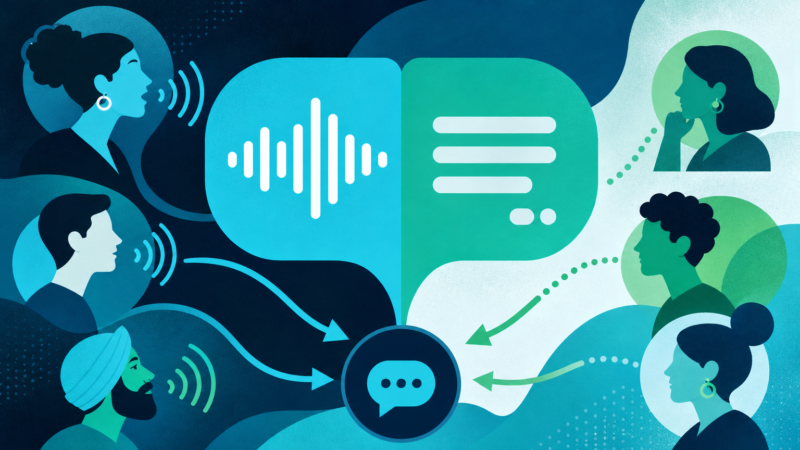
- Work in the languages your patients speak: The best chat solutions let patients converse in Spanish, Mandarin, or any language common in your region, while still giving your office team recaps in English for clarity.
User experience also matters. Many practices worry about a chat popup being too aggressive—rightly so. A respectful trigger (appearing after a few seconds or only when the visitor scrolls) avoids scaring off real patients. For a matrix of what the most capable tools should handle (from lead recaps to CRM integration), you can review all the relevant features in one place.
Which Patient Questions Can a Chat Agent Safely Handle?
In the dental context, it’s smart to limit automation to topics like:
- Office hours and holiday schedules
- Directions and parking info
- New patient registration requirements
- Insurance plans accepted
- Appointment types offered (cleanings, whitening, orthodontics, etc.)
- Typical costs for common procedures (non-binding estimates only)
- Rescheduling and cancellation policies
Clinical diagnosis and emergency advice should always be left to human practitioners.
How to Evaluate Live Chat Options for Your Dental Practice
The market is crowded with tools that claim 24/7 coverage, but not all are ready for the realities of dental practice websites. Use these criteria as a litmus test:
- Always-on Coverage: Does it actually answer every visitor, or only those who click “chat” during business hours?
- Intake Discipline: Does it consistently capture contact details, or do most sessions end with just anonymous browsing and no follow-up possible? Filtering for real leads matters—your staff shouldn’t sort through half-finished chats.
- Bilingual (or Multilingual) Support: Is the chat agent able to converse fluently in the languages your clientele uses, but deliver recaps and transcripts in English for your team?
- Patient-Friendly UI: Does it avoid intrusive popups and announce itself in a tone that fits your practice brand?
- WordPress Native (if relevant): If your site is built on WordPress, does the solution install directly—without coding, copying API keys, or outside signups?
- Seamless Lead Escalation: Does it push actionable detail to your inbox or CRM instantly, not hours later? If so, does it sync only qualified leads (name plus phone/email), not every stray inquiry?
- Sensible Pricing and Billing: Do you pay per conversation, per seat, or only for extra advanced features? Are overages throttled or just billed automatically?
Be wary of tools that overpromise with “AI that answers everything” but can’t ground replies in your own content. Nobody wants an assistant hallucinating answers—or mentioning a competitor, even by accident. Good tools are transparent about their sources and limitations.
FAQ
- Does live chat improve conversion rates for dental practices?
-
Live chat tends to turn more patient conversations into bookings because it removes friction: patients can ask quick questions or request appointments at any time. While there’s no public, dental-specific conversion rate benchmark, the gap is clear: fewer than 14% of US dental websites offer chat at all, so clinics that do have a distinct advantage over their peers.
- How many patients use live chat outside business hours?
-
Exact usage rates vary by location, but most service businesses report significant after-hours chat activity, especially during evenings and weekends. The bottom line: patients search and compare at all hours—and whoever answers first gets the booking more often than not.
- How intrusive should live chat be to avoid harming user experience?
-
The ideal chat widget should greet visitors politely—appearing after a short delay, not the moment the page loads—so patients don’t feel rushed. It should also be clearly labeled as an assistant or receptionist, not a “doctor,” and easy to minimize or ignore if not needed.
- What common questions can a chat assistant answer reliably without clinical risk?
-
Safe topics for dental chat automation include logistical matters: hours, directions, insurance coverage, available services, and general office policies. Anything clinical—like diagnosis, treatment advice, or urgent care instructions—should always transfer to a licensed professional.
SiteStaffr is an AI receptionist for WordPress sites: it answers your website visitors by voice and text around the clock, captures each lead, and emails you a recap. See how it works for dental practices, then try it free for 30 days with no credit card. After the trial, the Free plan keeps AI text chat on your site for up to 50 conversations a month.